

Monocrystalline Solar Panels vs Polycrystalline Solar Panels: Making the Better Choice for Your Solar System

In recent years, solar energy has gained immense popularity as a sustainable energy solution for residential and commercial buildings. With this growing interest comes a need to understand the different types of solar panels available on the market. Among the most commonly used are monocrystalline and polycrystalline solar panels. In this article, we will explore the differences between these two types of solar panels, their advantages and disadvantages, and how to make an informed decision for your solar system.
Understanding Monocrystalline Solar Panels
Monocrystalline solar panels are made from a single crystal structure. This design allows for higher efficiency and greater power output compared to their polycrystalline counterparts. Typically, these panels have a sleek black appearance, which can be aesthetically pleasing for many homeowners.
Efficiency Rates
The efficiency rates of monocrystalline panels typically range between 15% to 22%. This higher efficiency is due to the purity of the silicon used in their manufacturing. Less silicon waste means these panels can achieve more energy production in a smaller area.

Longevity and Warranty
Monocrystalline panels tend to have longer lifespans, often exceeding 25 years. Most manufacturers offer warranties of 25 years or more, which is a testament to their durability. Homeowners can benefit from long-term energy savings with these panels, making them a worthwhile investment.
Exploring Polycrystalline Solar Panels
Polycrystalline solar panels are produced from multiple silicon crystals, which are melted together. This method is less energy-intensive and often leads to a lower manufacturing cost, which is reflected in the pricing for consumers.
Efficiency Rates
Polycrystalline panels generally have efficiency ratings of around 13% to 16%. While this is typically lower than monocrystalline panels, advancements in technology have improved their performance in recent years, closing the gap between the two types.

Cost-Effectiveness
One of the biggest advantages of polycrystalline panels is their price. They are generally cheaper to manufacture and purchase, making them an attractive option for budget-conscious buyers. However, this lower initial investment might come with trade-offs regarding efficiency and space requirements.
Key Differences: Monocrystalline vs. Polycrystalline
Now that we have a foundational understanding of both types, let’s highlight some key differences:
1. Efficiency and Space
As previously mentioned, monocrystalline panels are more efficient. This means that if you have limited roof space, you may want to opt for monocrystalline panels. They can generate more power in a smaller area, making them ideal for urban settings.
2. Cost and Investment
While monocrystalline panels offer better efficiency, they come at a higher price point. Polycrystalline panels, being more budget-friendly, could be a better option for those just starting with solar energy.
3. Aesthetic Appeal
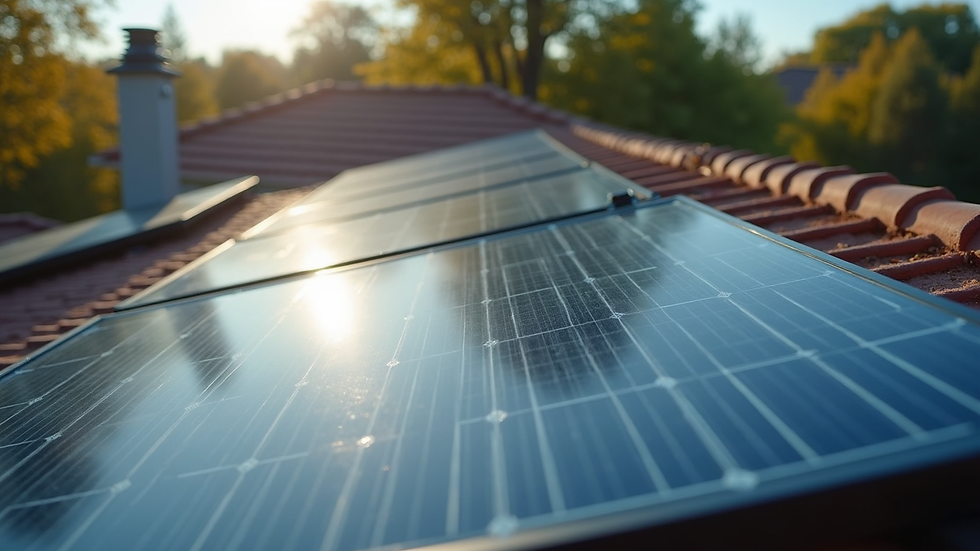
The sleek black appearance of monocrystalline panels may be more appealing to homeowners who prioritize their home's exterior. Polycrystalline panels usually appear bluish and are often regarded as less visually appealing.
4. Environmental Impact
The manufacturing process of monocrystalline panels involves more energy, which means a higher carbon footprint initially. On the other hand, polycrystalline panels have a lower impact in terms of production but might require more materials to achieve the same output.
Making the Better Choice for Your Solar System
Choosing the right type of solar panels for your home or business depends on various factors. Here are several considerations to keep in mind:
Budget: If upfront costs are a priority, polycrystalline panels may be suitable. However, consider the long-term savings associated with more efficient monocrystalline panels.
Roof Space: Limited space may necessitate the choice of monocrystalline panels. Ensure to calculate your energy needs and available installation space before deciding.
Energy Efficiency Goals: Evaluate your priorities in terms of energy efficiency. If maximizing power output is crucial, monocrystalline panels may be the better fit.
Local Climate: Consider the climate in your area. If you receive less sunlight, opting for the efficiency of monocrystalline might be advantageous.
Aesthetic Value: Think about the appearance of your solar panels, especially if they will be highly visible. Monocrystalline panels are often favored for their sleek look.
Final Thoughts on Solar Panel Selection
Deciding between monocrystalline and polycrystalline solar panels involves weighing the pros and cons of each type. Although monocrystalline panels lead in efficiency and longevity, polycrystalline panels serve as a cost-effective option for those on a budget. It is crucial to evaluate your individual needs, environmental considerations, and budget when making this decision.
Whether you choose monocrystalline or polycrystalline panels, transitioning to solar energy offers financial savings and contributes positively to environmental sustainability. As solar technology continues to evolve, homeowners and businesses alike can benefit from better options than ever before.
In summary, making the informed choice in your solar system installation is vital for maximizing energy output, enhancing property value, and taking advantage of renewable energy sources. Make sure to research local installers and gather quotations to receive the best deals and create a greener future.
For more information on solar panels and installation, check out NREL Solar Basics.


Comments